
Ce este semnalizarea interactivă?
Interactive signage refers to digital display systems that allow users to actively engage with the content through touch, motion, mobile devices, or other input technologies. Unlike traditional digital signage, which passively delivers information, interactive signage creates a two-way communication experience, enabling users to explore content, make selections, and receive personalized information in real time.
This technology is widely used in retail stores, shopping malls, museums, corporate environments, healthcare facilities, and transportation hubs. By combining advanced hardware and intelligent software, interactive signage enhances user engagement, improves customer experience, and provides businesses with valuable insights into user behavior.
1. Core Concept of Interactive Signage
The fundamental concept of interactive signage is user participation. Instead of simply viewing content, users can interact directly with the display, making the experience more engaging and memorable. This interaction transforms passive audiences into active participants, increasing both attention and retention.
Interactive signage systems are typically powered by integrated software platforms that respond to user inputs instantly. Whether through touchscreens, gesture recognition, or mobile integration, these systems allow users to navigate menus, browse products, access information, or even complete transactions. This dynamic interaction makes communication more effective and user-centric.
2.Benefits of Interactive Signage
Interactive signage offers several compelling advantages for businesses and organizations:
Enhanced User Engagement: Interactive features encourage users to spend more time exploring content.
Personalized Experience: Users can select content based on their preferences, creating a tailored experience.
Improved Information Delivery: Complex information can be presented in an easy-to-navigate format.
Data Collection and Insights: Businesses can gather data on user behavior, preferences, and interaction patterns.
Increased Conversion Rates: Engaging experiences often lead to higher customer satisfaction and purchasing decisions.
These benefits make interactive signage a powerful tool for both marketing and communication strategies.
3. Technologies Behind Interactive Signage
Interactive signage relies on a combination of advanced technologies to deliver seamless performance:
Touchscreen Displays: Capacitive or infrared touch technology enables accurate and responsive interaction.
Sensors and Cameras: Motion sensors and cameras allow gesture-based interaction and audience analytics.
Content Management Systems (CMS): A CMS enables remote control, content updates, and system monitoring.
Mobile Integration: QR codes, NFC, and Bluetooth connectivity allow users to interact using their smartphones.
Artificial Intelligence (AI): AI can personalize content based on user behavior and demographics.
These technologies work together to create a responsive, intelligent, and engaging user experience.
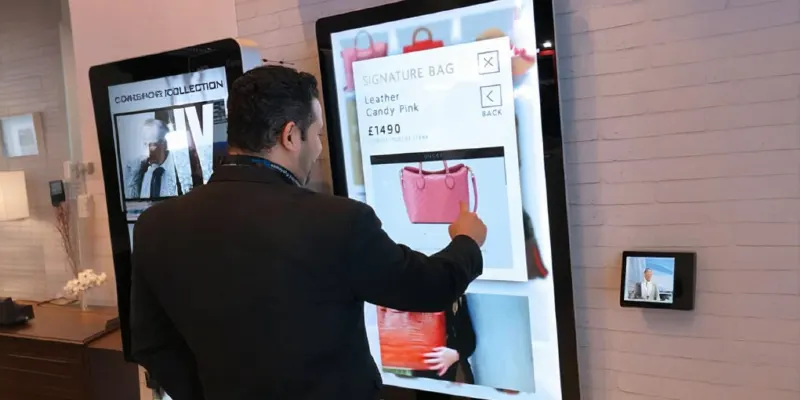
4. Best Practices for Effective Interactive Signage
To maximize the effectiveness of interactive signage, businesses should consider the following best practices:
User-Friendly Interface: Ensure the interface is intuitive, simple, and easy to navigate for all users.
Clear Call-to-Action (CTA): Guide users on how to interact with the display through prompts and visual cues.
Engaging Content Design: Use high-quality visuals, animations, and interactive elements to maintain interest.
Strategic Placement: Install signage in accessible, high-traffic areas where users can interact comfortably.
Regular Updates and Maintenance: Keep content fresh and ensure the system runs smoothly at all times.
Following these practices helps create a positive user experience and maximizes return on investment.
5. Common Application Scenarios
Interactive signage is widely used across various industries due to its flexibility and effectiveness:
Retail Stores: Provide product catalogs, virtual try-ons, and self-service kiosks to enhance shopping experiences.
Museums and Exhibitions: Offer interactive guides, educational content, and immersive storytelling experiences.
Corporate Environments: Display company information, visitor check-in systems, and interactive presentations.
Healthcare Facilities: Assist with wayfinding, patient information, and appointment check-ins.
Transportation Hubs: Enable travelers to access maps, schedules, and real-time updates.
These applications demonstrate how interactive signage can improve both user experience and operational efficiency.

6. Summary and Call to Action
In conclusion, interactive signage is an advanced digital communication solution that transforms traditional displays into engaging, user-driven experiences. By combining interactivity, personalization, and real-time responsiveness, it enables businesses to connect with their audiences more effectively and meaningfully.
If you are interested in implementing interactive signage or want to explore customized solutions for your business, please feel free to contact us at any time. Our team is ready to provide expert guidance and tailored systems to meet your specific requirements.
FAQ
Q1: What is the main difference between digital signage and interactive signage?
A: Digital signage delivers content passively, while interactive signage allows users to actively engage with and control the content.
Q2: Is interactive signage difficult to use?
A: No. Modern interactive systems are designed with user-friendly interfaces, making them easy for people of all ages to use.
Q3: Can interactive signage be integrated with mobile devices?
A: Yes. Many systems support QR codes, NFC, and Bluetooth, allowing seamless interaction with smartphones.